
Sr Coral Hedley RSM, 8 February 2024
In 1975, the Bishop of Armidale NSW asked Sr Coral Hedley to take care of the priestless parish of Bingara. And what was the most important part of the ministry? It was “to be a presence. To represent the Church in a person, rather than a building.” Alongside this, the Bishop authorised and expected her to lead daily weekday Liturgy of the Word with Holy Communion, sit with the dying, conduct funerals, visit the school and run prayer groups.
In the small town of 1,000 people, Coral took part in everything going on, and was available at all times of the day or night. The latter calls were sometimes tragic, and she was the first responder – before the police or ambulance – in cases of suicide. Coral did what needed to be done, and was with people as they needed her. This involved many who were not Catholic, and she became friends with all the other church groups too. “Everyone knew me as ‘Sister Coral’, but mostly they dropped the ‘Sister’.”
Coral was pleasantly surprised that people came frequently for the weekday liturgy that she conducted, reflecting, “They must have gained something from what was said and done.” As she was so much involved with the community, she was able to tie the liturgy in with what was happening and make it relevant and responsive. For six years, the people really appreciated her presence, and still call out to her to remember them.
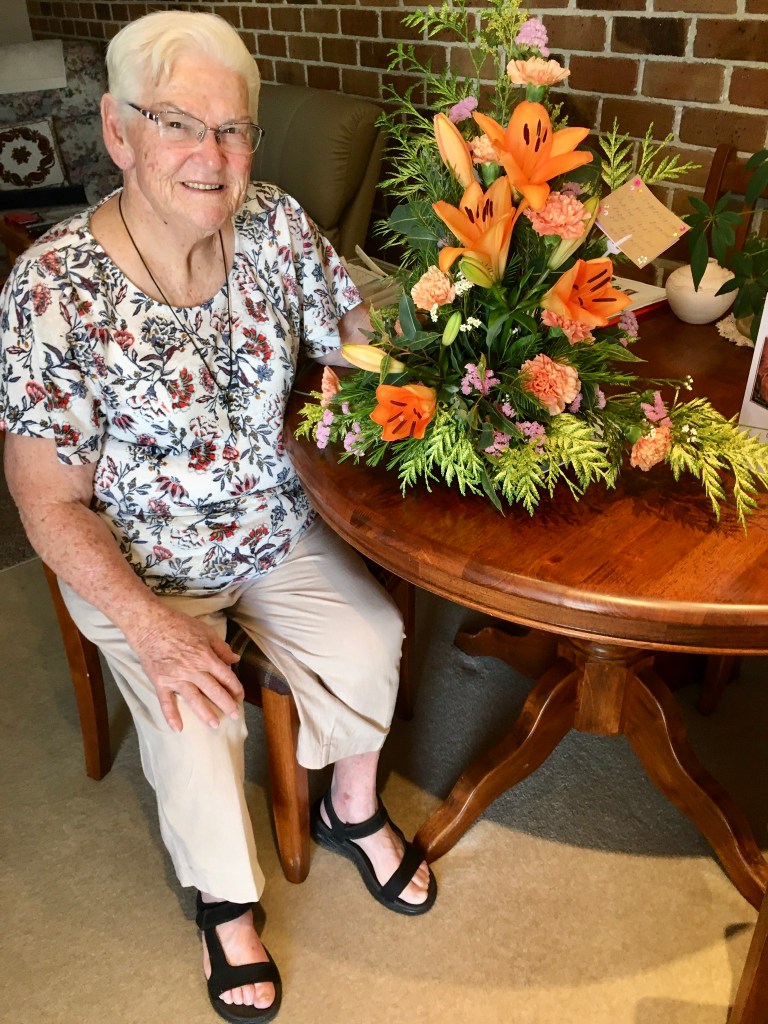
The Bingara and Delungra Parishes were part of the Barraba Parish – Delungra an hour or so away from Barraba. Delungra very soon was served by the priests from Inverell – just 20 mins from there. In both of these places Coral completed all the regular parish operations and administration “but on a minor scale.” In the 1970s, this kind of arrangement was new; it took the Barraba parish priest about a year to get used to it, finally declaring it “ pretty good”. Coral worked with him to provide for their liturgical and sacramental needs, including Sunday Mass, whenever he was available. The same happened when Inverell priests served in Delungra.
Much of Coral’s life has been spent in this small pocket of northern New South Wales. She grew up in Narrabri, where priests and nuns were frequent visitors to her family home. Given chores to do at the convent, she “knew for a long time that’s what I wanted to do” and entered the Sisters of Mercy in Gunnedah. Coral became a teacher in the local area – Gunnedah, Moree and Inverell – but her time also included 7 years in Papua New Guinea.
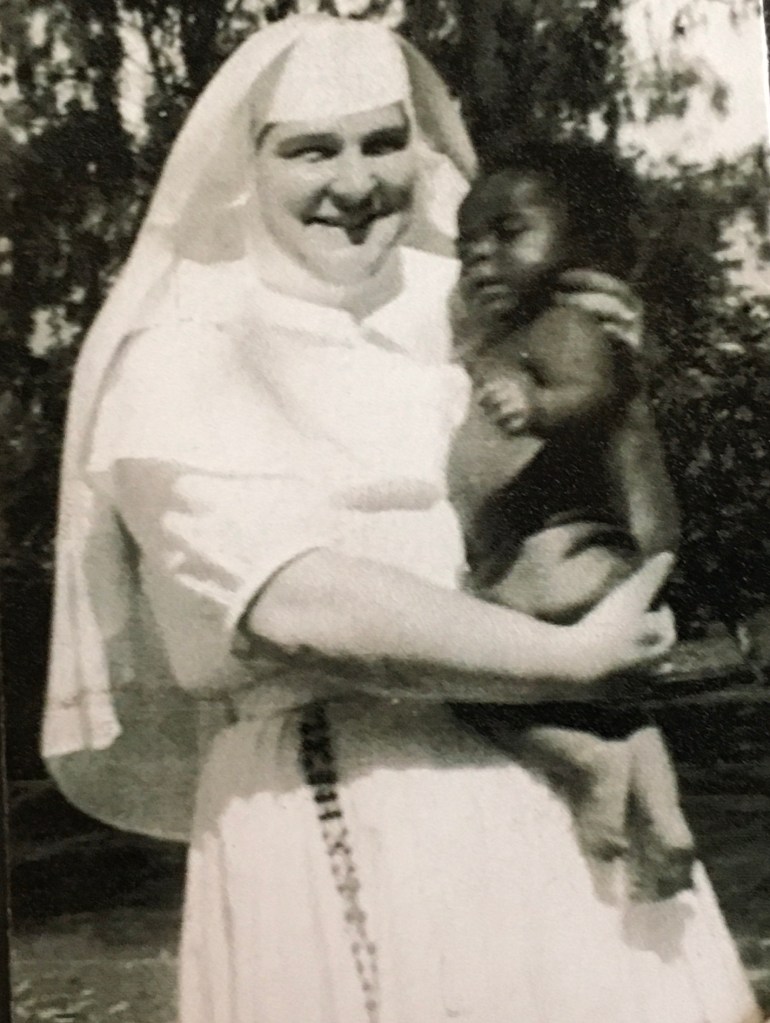
When Coral moved into parish ministry, she was one of the first in the diocese. After Bingara, she was invited by the parish priest to work in Inverell, and she has been there ever since. Her skills were greatly valued, especially in the ministry to families and communities affected by suicide. Coral was asked to provide religious support to the women’s shelter and assist with Rural Outreach and Support Services. She helped set up a Men’s Shed and is still part of a committee addressing domestic violence. Now 86, she is understandably “withdrawing quite a bit”.
Yet Coral sees the needs that diaconal ministry could continue to address. The parish priest of Inverell goes to 4 smaller towns and everything revolves around his availability. Yet if there were people trained and authorised in those places, they could provide a Church presence, conduct liturgies and funerals, and even resume the spirituality days that she used to run. In any case, Coral believes that her ministry, and that of other similar Sisters, was of real benefit to the people of Bingara, Delungra and Inverell. Thank you for your important presence, Coral!
 Liturgy on the Margins