
Deacon Roderick Pirotta, 20 March 2025
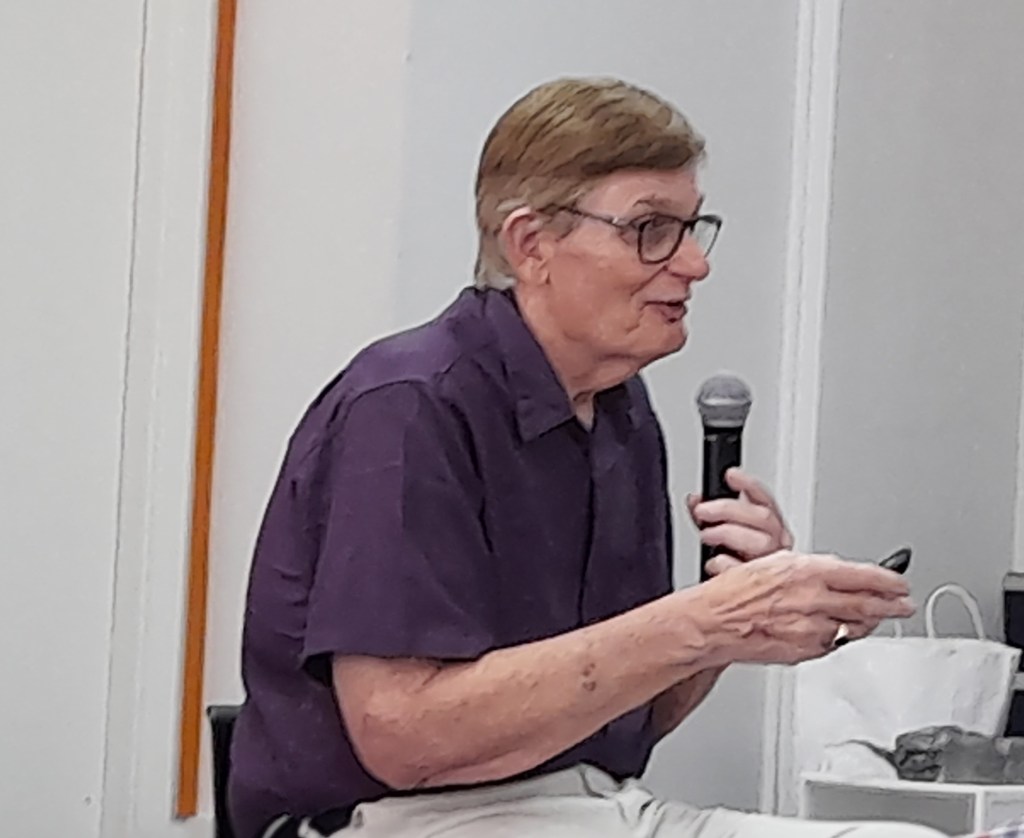
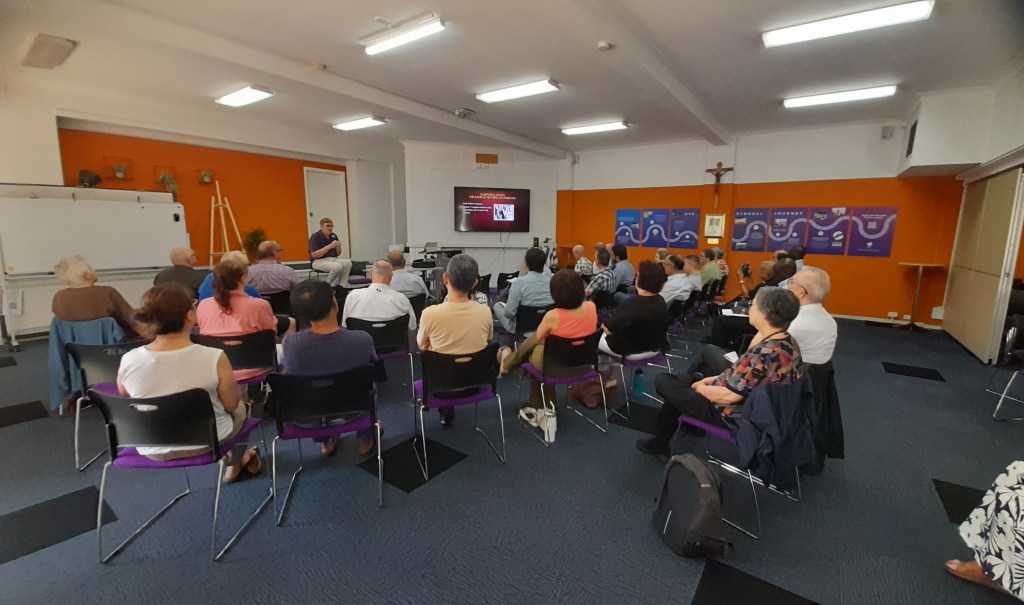
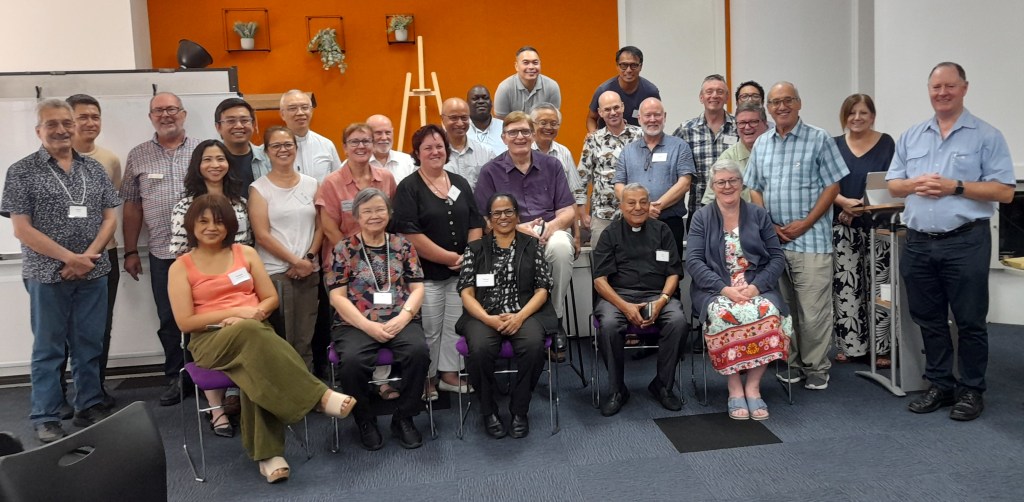
On Saturday 15th March 2025, the Diocese of Parramatta Diaconate community, hosted a significant seminar focusing on the role and evolution of the Diaconate within the Catholic Church. The event, led by Deacon William T. Ditewig, Ph.D., provided a profound exploration of historical foundations, contemporary challenges, and the future vision for deacons in both Australia and globally.
Key Themes and Discussions:
Historical Context and Vatican II Vision:
The seminar emphasised the radical meaning of “diakonia” rooted in Scripture and the Patristics, highlighting the call for deacons to serve in liturgy, word, and charity.
Vatican II’s vision, as articulated in Lumen Gentium #29, underscored the sacramental grace empowering deacons to extend the Church’s reach into all facets of life, including family, workplace, and community. It was stressed that Vatican II restored the permanent diaconate not because of lack of priests but because of lack of deacons.
Pope Paul VI described the permanent diaconate as “a driving force for the Church’s service” (Ad Pascendum), a sentiment echoed by John Paul II, who stated, “The service of the deacon is the Church’s service sacramentalized.”
The foundational belief that “Deacons exist because the Church is diaconal” reinforced the essential role deacons play in manifesting the Church’s mission of service.
Lessons from the US Experience:
The seminar highlighted the US Church’s journey, beginning with the implementation of Sacrum Diaconatus Ordinem (1967) and the first ordinations in 1968.
Key learnings included the importance of strong episcopal support, comprehensive formation processes, and the active involvement of deacons in diverse societal roles.
The need for creative adaptations to encourage younger applicants and to ensure deacons serve as dynamic leaders in their communities was stressed.
The Deacon in the Modern Workplace:
John Paul II emphasised the necessity of a “greater and more direct presence of Church ministers in spheres such as family, work, and school.” The discussion addressed how deacons today navigate their roles within secular professions while embodying their spiritual calling, reinforcing the Church’s engagement with broader society.
Servant-Leadership and Synodal Church:
Canon 517.2’s guidance on deacons stepping into pastoral roles in the absence of priests was examined. The seminar advocated for humble and courageous leadership, reminding deacons of their calling to “treat others as better than yourselves” (Philippians 2:2-3).
Challenges and the Road Ahead:
The seminar recognised the ageing demographic of deacons and the pressing need to attract younger candidates by revising the entry process to formation and the formation processes.
It emphasised the necessity of a relationship-centred approach to ministry, anchored in humility, courage, and attentive service to community needs. Pope Francis’ teachings on humility were referenced, noting that true humility is about being grounded and genuinely seeing oneself as a servant of others.
Conclusion:
The Parramatta seminar underscored that the diaconate is not merely a clerical office but a living expression of the Church’s mission to serve humanity in all its dimensions. As Pope Paul VI and John Paul II articulated, the deacon’s role is to embody and sacramentalise the Church’s commitment to service. The way forward calls for renewed vigour, adaptability, and a deep-rooted commitment to fostering communities that reflect Christ’s love and humility. The future of the diaconate lies in its ability to remain relevant, responsive, and radically devoted to the mission of service.
 Liturgy on the Margins